Anúncios
Half of Americans expect prices to get worse, so small choices matter more than ever. A 2026 NerdWallet survey found 51% of people foresee higher consumer costs. That makes tracking where your money goes a smart first step.
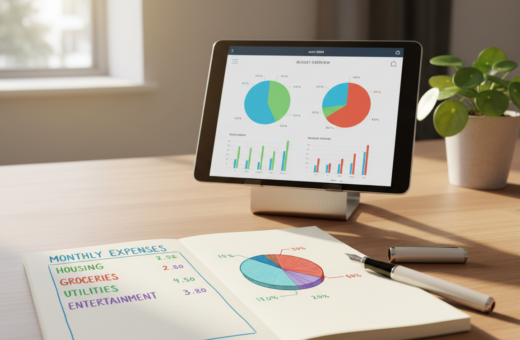
Start by noting every coffee purchase and small tip, and you will see patterns that hide in plain sight. Recording those tiny transactions clarifies monthly expenses and shows simple ways to save money over time.
When you commit to one clear method, you can change behavior bit by bit. Financial experts say the best way to build long-term savings is to document income and regular outflows. That discipline helps you prioritize your future self over quick treats.
Take a few minutes each day to log purchases. Within weeks you will know where your money flows and how small changes add up to real wealth.
Understanding Your Financial Starting Point
A practical first step is to map every dollar that comes in and goes out this month. With 51% of Americans expecting prices to rise in 2026, this checkup matters more than ever. Use one month of records to see the real picture.
Tracking Expenses
Pull a recent bank statement or a credit card history and list each line item. Look for regular charges and occasional ones like annual fees or repairs.
Categorizing Spending
Group transactions into clear buckets: groceries, gas, car repairs, subscriptions, and cash purchases. This makes it easier to spot leaks and set a realistic budget.
- Subtract total expenses from total income to find monthly cash flow.
- Use a simple spreadsheet or a budgeting app to tag categories.
- Review statements to catch missed charges on any account or card.
“Knowing where every dollar goes gives you control over debt and builds smarter savings.”
Creating a Realistic Monthly Budget
Build a practical budget by matching each dollar of income to a clear purpose. Start with after-tax income and list fixed bills first. That gives you a true baseline for what remains.
The 50/30/20 method is a simple frame: 50% for necessities, 30% for wants, and 20% for savings and debt payments. Use this split as a starting point, then adjust to fit your city and household size.
Factor in irregular costs like car maintenance and annual insurance. Tuck those into a monthly emergency line so a single repair won’t derail your plan or force more debt.
- Track income and all expenses to verify the allocation.
- Prioritize debt payments above the minimums to save money on interest.
- Review the budget every month and tweak categories as life changes.
“A well-structured budget works as a map that guides your spending and builds steady savings.”
Mastering Daily Saving Habits
Breaking a big goal into weekly wins makes financial change feel doable and fun. One popular approach is the 52-week money challenge, which adds small amounts each week so you can save about $1,378 by year-end.
Turn progress into a game. Track each week and reward milestones. This keeps motivation high and makes the plan stick to your budget.
- Pick a clear savings goal—an emergency fund or a short trip—and label it.
- Try a no-spend month to reveal needless spending and cut recurring expenses.
- Break large targets into weekly or monthly checkpoints to avoid overwhelm.
- Review progress at the end of each month.
- Create if/then plans to handle obstacles before they derail progress.
- Adjust the plan to tackle high-interest debt or unexpected costs.
“Small, consistent steps beat big bursts when building long-term savings.”
For more practical tactics on budgeting and mastering money, see Mastering Money: Budgeting Habits of the Financially.
Automating Your Financial Future
Set your accounts to work on autopilot so your future self benefits with little effort. Automation removes friction and keeps your plan moving forward without daily decisions.
Direct Deposit Benefits
Ask HR or your payroll provider to split your paycheck so part goes into a separate savings account. This move directs income into a protected bucket before spending temptation hits.
Many employers also offer 401(k) options that deduct contributions from each paycheck pre-tax. Employer matching can boost retirement savings and make each deposit more powerful.
High Yield Savings
Use your bank’s automated transfers to route funds into a high-yield savings account every month. The higher interest rate helps your bank balance grow faster than a standard account.
Automation reduces the chance you’ll spend the money, which makes it easier to hit long-term goals and chip away at debt. Financial advisors often recommend setting up both payroll deposits and recurring transfers to stay consistent.
“Put as much as you can on autopilot and let compounding do the rest.”
Cutting Costs on Essential Services
A quick review of your service bills can reveal easy ways to lower expenses. Start by listing every recurring payment you make this month. Spot the items you rarely use and mark them for review.
Negotiating Utility Bills
Be polite and direct when you call. Mention long tenure or consistent on-time payment and ask about current promotions. Many providers will connect you with a retention specialist who can offer lower rates.
You can cut a cable or internet package and save about $40 per month by downsizing. Research competing providers first so you can compare offers. Saying you will switch often prompts better deals.
- Review and cancel unused subscriptions to free cash each month.
- Compare cell and phone plans for similar service at lower cost.
- Keep your car maintained and stack errands to cut gas expenses.
“Polite, direct negotiation often unlocks better rates.”
Small, intentional changes to essentials create lasting savings over time.
Optimizing Your Grocery Shopping Strategy
A little preparation before you shop can transform your weekly run into a money-saving mission. Check your pantry and freezer first so you only buy what you need. This simple step cuts impulse buys and lowers overall spending.
Start with meal planning. Plan meals for the week to avoid costly restaurant trips and to keep your budget on track. Make a shopping list from what you already have at home and stick to it.
- Buy household basics like dish soap and paper towels in bulk to save money versus last-minute purchases.
- Use loyalty programs and coupons for items you were going to buy anyway to boost your savings.
- Choose generic brands for staples and nonfood supplies; quality is often similar and the price is lower.
- Try a grocery list app to prevent impulse buys and monitor monthly food costs more easily.
“Planning meals and shopping with a list is the easiest way to cut food costs and grow your savings.”
Managing Debt to Free Up Cash Flow
Tackling high-interest balances can free up cash that feels like a raise. The average student loan payment is $393 and the average new car payment is $726, so debt often eats a large slice of each month.
Make extra payments toward principal when you can. Paying down the balance sooner reduces total interest and helps you save money over the life of a loan.
Consider income-driven plans for student loans to lower your monthly payment. Refinancing a mortgage or auto loan can cut costs too, but weigh upfront fees before you act.
- Track progress in a bank account or app so you see how much money you keep by paying less interest.
- When a debt is paid off, redirect that flow to your savings or to meet other financial goals.
- If extra payments aren’t possible, find side income to speed the plan and cut long-term expenses.
“Pay off debt and you stop paying lenders — you start paying yourself.”
Implementing the Cash Envelope System
Handling real currency forces you to slow down and weigh wants against needs. Start by labeling envelopes for categories you use in your budget, like groceries, transport, and entertainment.
The cash envelope system, often called cash stuffing, helps you be mindful about every purchase. Take cards out of your wallet and use only the bills in each envelope. That friction makes you think twice before you spend.
Allocate a set amount for each category at the start of the month. When an envelope is empty, the category is done for the month. This clear limit makes it easier to spend less on nonessential items.
- Use envelopes for variable categories to control impulse buys.
- Track receipts to see how much money you spent versus planned.
- Keep one envelope for unexpected small costs so the plan stays realistic.
“Seeing real bills shrink in an envelope changes behavior faster than numbers on a screen.”
This system can strengthen your routine and protect your savings by making choices visible. Many find it a simple, structured way to manage finances without relying only on apps.
Leveraging Technology for Better Spending
With the right tech, you can find hidden margin in minutes and reclaim that money for goals. Modern budgeting tools consolidate accounts and show where your expenses hide.
Using Budgeting Apps
The EveryDollar app, for example, links to your bank and reveals subscriptions and charges that slip past notice. Many users spot thousands of dollars in waste within a short review.
Set up automatic transactions so incoming and outgoing flows land in one place. That makes it easy to drag items into the right budget line and watch progress toward goals every month.
- See all spending and subscriptions in one dashboard to cut unused services.
- Use browser tools like PayPal Honey or Camelcamelcamel to find coupons and track price history.
- Remove saved card and billing details to add friction and avoid impulse buys.
- Set targets in the app—for savings or paying down debt—and check them each month.
“Technology can be a great ally when you use it to stay organized and committed to your plan.”
Use apps wisely and they will save you time and help you keep much money in your account rather than leaking out to needless purchases.
Adopting a Mindful Approach to Purchases
A small pause before a purchase can protect your wallet and sharpen your priorities.
The cooling-off period helps you decide if an item is want or need. Try a 24–48 hour rule for smaller buys and the 30-day rule for nonessential items. Waiting a full month often shows whether the urge fades.
The Cooling Off Period
Give yourself clear windows before you buy. If a purchase still feels right after that time, add it to the budget for the next month.
Avoiding Impulse Stores
Identify the shops that make you overspend and commit to staying away. Delete shopping apps and remove saved card details on sites to make checkout slower. These small changes stop impulse spending and help you spend less.
- Make a short wait part of your routine to check feelings vs. need.
- Disable saved billing info and unsubscribe from tempting marketing subscriptions.
- Keep one note of trigger stores and avoid them during free time.
“Mindful spending is not about deprivation, but about making intentional choices that match your long-term goals.”
Finding Free Entertainment and Experiences
Free local events are one of the easiest ways to save money and still enjoy your time. Libraries, churches, and sites like Eventbrite list concerts, movies, and classes near you.
Plan ahead and bring your own coffee and snacks to avoid high concession prices. Packing water and treats for kids prevents impulse buys and keeps outings relaxed.
Use free days at museums and national parks to see new places without spending a lot. Many communities host outdoor film nights and summer concerts—check library bulletins and social feeds for schedules.
- Finding free entertainment is a top way to enjoy life without blowing your monthly budget.
- Home movie nights with cheap snacks beat theater costs and help meet your savings goals.
- Scout local listings weekly to spot no-cost events that fit your time and interests.
“Small, planned choices about where you go and what you bring can keep more money in your pocket and still make great memories.”
Utilizing Government and Community Resources
If bills feel overwhelming, a quick call to 2-1-1 can connect you to local aid and advice.
Visit 211.org or dial 2-1-1 to reach local experts who refer you to programs for housing, health care, and food.
Government assistance may also offer discounts on utility bills or help offset child care for families that meet income rules.
Being proactive helps protect your budget and keeps more money available for other priorities.
- Using community and government resources can provide a safety net if you struggle to manage a bill or payment.
- Many programs help with housing, health care, and food for low-income households.
- Call a service provider to ask about deferred payments, rebates, or discounts for seniors, teachers, students, or military members.
- Reach out to 2-1-1 to find specific programs that match your goals and income level.
“Being proactive about help is a smart way to protect your savings and keep your plan on track.”
Maximizing Rewards and Loyalty Programs
Loyalty programs can quietly cut costs on items you already buy, turning regular purchases into real value.
Start by matching programs to your habits. Many grocery chains offer gas rewards that lower fuel costs when you shop for groceries. Use those discounts on fill-ups you planned anyway.
Check your card and bank accounts for reward rates. Some credit cards pay more for dining or travel, while others boost cash back on groceries. Avoid charging beyond your budget just to earn points—high-interest debt erases the benefit.
- Many store apps track points and offer coupons you can redeem for free items or discounts.
- Use a savings account with interest or perks to grow idle cash while you chase rewards.
- Compare thrift and consignment prices before buying new to maximize overall money savings.
“Turn regular spending into rewards, not extra expenses.”
Exploring DIY Solutions for Home Maintenance
Tackling simple repairs at home can cut costs and give you more control over your budget. Fixing a running toilet, washing clothes in cold water, and turning off unused lights all reduce your electric bill.
Small projects—like installing a backsplash or swapping a light fixture—often cost a fraction of a pro service. YouTube has step-by-step videos that save both time and money.
Focus on easy tasks first: basic car checks, sealing insulation leaks, or using smart power strips. These changes lower recurring bills and make your home more efficient.
- Do basic car maintenance you can handle safely to avoid costly shop visits.
- Buy household items in bulk during sales to stretch your budget and avoid last-minute purchases.
- If a job feels complex, call a professional—balance risk and reward.
“Learning to do a few simple repairs is a practical way to protect money and build confidence.”
Setting Meaningful Financial Goals
Clear financial goals give your paycheck purpose and make choices simpler. Start with one short-term target and one long-term aim so your money has direction.
Short Term Versus Long Term Objectives
Short-term goals usually span one to three years. Examples include a $500 emergency fund or paying down a small balance. These wins build momentum.
Long-term goals cover four or more years, like retirement or college funds. Treat both types equally in your plan so long-term needs do not get left behind.
- Set clear priorities: decide whether to pay off debt, buy a home, or fund education.
- Automate deposits: use direct deposit or scheduled transfers from your paycheck into a dedicated account.
- Review often: track progress as your income or work situation changes and adjust the plan.
“Anticipate obstacles and have a response ready so one surprise expense won’t derail your goals.”
Conclusion
,Even modest changes at payday can free up cash and make long-term goals feel reachable. Set an automatic deposit from your paycheck into a dedicated savings account so progress happens without daily effort.
Track expenses, use a simple budget, and avoid high-interest credit or excessive card use. These steps help you save money and protect your plans. Treat each small win as momentum toward larger savings.
Stay disciplined and review progress often. Move extra funds into your savings account when you can, and let your money work for you so goals become real over time.