Anúncios
Small choices today set the path for a secure future. This introduction explains how everyday actions affect long-term money outcomes. A 2019 Charles Schwab survey found about 35% of Americans spend more than they can afford to impress friends, a behavior that can erode stability.
Understanding simple daily patterns is the first step toward better management. By examining current spending and habits, a person can align actions with goals and values.
Research shows that how someone uses cash now influences their ability to build prosperity over time. Small, consistent changes often lead to meaningful improvements in financial health.
This guide explores the psychology behind those choices and offers clear, actionable steps. Readers in the United States will find practical advice to regain control and move toward lasting security.
Understanding the Psychology Behind Spending
Every purchase lights up reward circuits in the brain, turning simple buys into emotional events. That rush helps explain why people reach for a credit card even when they plan to save. Neuroeconomic research shows anticipation can feel almost as good as ownership.
The Role of Dopamine in Shopping
The brain releases dopamine when someone contemplates a purchase, creating a chemical reward loop. A study by Kuhnen and Knutson (2005) found that thinking about a buy activates pleasure centers. This reaction makes it easier to repeat the behavior later.
Social Media and Peer Pressure
Social platforms amplify desire by showing trends and peer lifestyles. A 2019 Charles Schwab survey found FOMO and curated feeds increase urges to spend money. Many people try to buy happiness during stress or boredom, which undermines long-term saving money goals.
- Anticipation triggers reward regions in the brain.
- Peer displays on social media create comparison pressure.
- Identify triggers and use healthier ways to find joy without purchases.
“Thinking about a purchase activates brain regions associated with pleasure and reward.”
How Spending Habits and Savings Impact Your Future
The way someone uses funds today alters their financial resilience years from now.
Current spending habits determine how much of an income can go toward long-term goals. Small, recurring charges shrink the amount left for a plan to save for emergencies or retirement.
Creating a solid financial plan helps ensure funds exist to handle unexpected events. Consistently setting aside a portion of income lets wealth grow over time and builds a cushion for later life.
- Track minor outlays that quietly inflate the monthly budget.
- Prioritize a simple emergency fund first, then allocate to long-term savings.
- Build repeatable routines that make saving automatic.
“Small, regular actions often shape long-term results more than big, rare moves.”
By choosing priorities now, a person can shift their financial trajectory toward stability and meet future goals.
Tracking Expenses to Gain Financial Clarity
A simple habit of logging transactions lifts the fog around personal finances. This step helps a person see where money flows each month and how small items add up.
Methods for Recording Daily Expenses
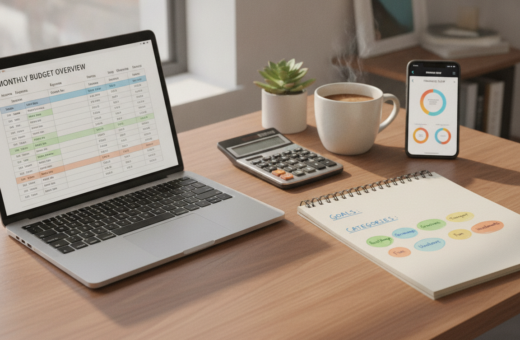
Start small. Use a spreadsheet, a mobile banking app, or a pocket notebook to note every purchase, from coffee to a tip. Recording the exact amount for each item trains attention to detail.
Many people find dedicated budgeting tools reveal patterns of overspending they missed. A bank or banking app may auto-categorize transactions, which simplifies review and credit card reconciliation.
- Pick one way to record entries and do it daily.
- Review entries weekly to compare totals to a budget.
- Use tools that link to an account to reduce manual work.
“Consistent tracking is one of the most effective ways to ensure daily choices match long-term goals.”
Creating a Realistic Budget Plan
A workable budget begins by listing realistic income and fixed costs in clear terms. This gives a person a simple snapshot of where money starts and where it must go.
Next, record variable items such as food, transport, and one-time fees. Use cash for small purchases when helpful and review recent bank statements to categorize each amount.
Set a saving target that feels attainable at first. Aim to save money gradually, moving toward a 20 percent target of total monthly income. Small wins build confidence.
- List expected income, fixed bills, essential costs.
- Assign a comfortable save amount each month.
- Update estimates when work hours or bills change.
“Personal strategies for self-control reduce spending more than generic rules.”
Research by Peetz and Davydenko (2021) supports this. Use those findings to craft tailored strategies that keep long-term goals in view while making budgeting practical.
Strategies for Curbing Impulse Purchases
Introducing brief pauses in the buying process gives clarity about true needs. Small rules help a person slow down and avoid quick, costly choices. These tactics save time and protect monthly plans.
The Cooling Off Period
Wait before you buy. Implement a cooling-off period of a few days for nonessential items. This pause helps decide if an item is a true need or an impulse.
- Set a 48–72 hour rule for online or in-store purchases.
- Review the amount and check whether the item fits your goals.
- Use no-spend days weekly to break casual shopping routines.
Using Cash Over Cards
Paying with physical money changes behavior. A Federal Reserve Bank of Boston report (2016) found people spend about $22 with cash but $112 with a credit card.
Using cash or a prepaid card limits overspending because the cost feels real. This strategy reduces the impulse to spend money on items that add little value.
Finding Joy in Free Activities
People can replace shopping with low-cost pleasures. Hiking, DIY projects at home, and library visits offer enjoyment without new purchases.
“Free community resources help support budgeting goals and improve quality of life.”
These simple strategies build better routines and make saving more achievable. Small changes today create clearer progress toward long-term goals.
Managing Credit and Debt Responsibly
Keeping credit lines in check protects future options and reduces costly interest charges.
They should monitor each credit account to keep the ratio of used credit below 30 percent. A healthy credit utilization helps preserve score and lowers the cost of borrowing.
If debt feels overwhelming, a person can call their bank to request different payment dates that match monthly income. Setting up automatic payment avoids late fees and keeps balances in good standing.
- Keep utilization under 30% to support a stronger score.
- Build an emergency fund of 3–6 months to avoid using a credit card for surprises.
- Pay full card balances each month when possible to prevent high interest.
- Prioritize debt reduction to free money for long-term savings and goals.
“Small, consistent payments reduce total interest and restore financial control.”
By following these steps, people protect money today while improving their financial future.
Optimizing Your Savings Accounts
Choosing the right account can turn small deposits into reliable progress toward long-term goals.
Select features that match a goal. Compare interest rates, monthly fees, and whether the bank offers automatic transfers. Low fees and decent interest keep more money working for them.
Selecting the Right Account Features
They should pick an account that links easily with existing banking platforms. Integration makes transfers and monitoring simple for both personal and business needs.
- Use autosave or scheduled transfers to save money without thinking about it.
- Consider employer retirement plans for tax advantages and long-term growth.
- Choose account types by purpose: liquid emergency funds versus a home down payment.
- Check the account balance regularly to confirm earned interest and track progress toward goals.
“Automatic features remove the friction that often prevents consistent saving.”
Utilizing Financial Tools and Automation
Automating routine transfers removes friction and helps a plan move forward without constant decisions.
Set it once, then let the system work. Use online banking to schedule automatic transfers from a checking account to dedicated accounts each payday. This simple step helps people save money without thinking about it and reduces the chance to overspend.
Use apps that track spending and send alerts when a credit card nears its limit. These tools help monitor income, stay within a budget, and avoid surprise fees.
- Schedule recurring transfers to a goal account each pay cycle.
- Enable online bill payment to prevent late charges and missed dates.
- Try the 52-week money challenge — it can yield about $1,378 by year end.
“Automation is one of the most effective ways to manage your money.”
By combining banking tools with small strategies, a person reduces manual work, lowers debt risk, and keeps long-term goals on track.
Conclusion
Regular, modest decisions about where to put money have outsized effects over years. A steady focus on clear goals and a simple budget helps anyone build a secure foundation.
Track income, pick the right account types, and automate transfers so saving becomes routine. Control of credit and debt frees people to pursue long-term plans with less stress.
Small shifts in daily choices add up. For practical steps, read a comprehensive saving guide and explore mindful approaches in the mindful money guide.
Start today: set short goals, review accounts each month, and keep steady with saving. Over time, consistent acts deliver financial peace and stronger futures.